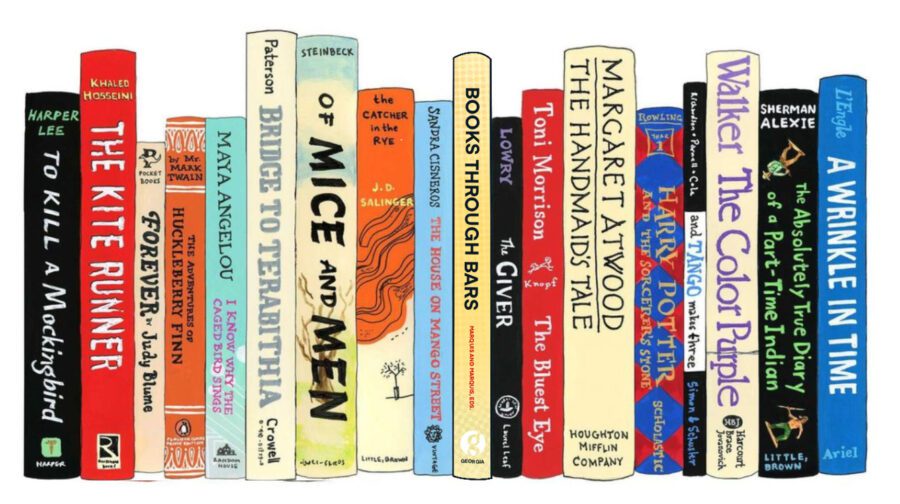
Las prisiones son los mayores censores de los Estados Unidos.
Las prisiones y cárceles prohíben más libros que todas las escuelas y bibliotecas públicas juntas. Semana de los libros prohibidos en las cárceles es una campaña anual que arroja luz sobre esta censura generalizada y defiende los derechos de las personas encarceladas y detenidas a acceder a la literatura y expresarse libremente. En colaboración con organizaciones que defienden la libertad de expresión, la campaña subraya un poderoso mensaje: la censura no tiene cabida en una democracia.
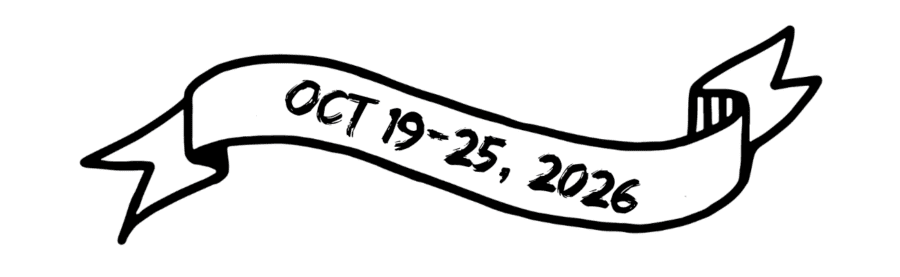
La cuarta edición de la Semana del Libro Prohibido en Prisión reúne a más de sesenta organizaciones que trabajan en favor de la libertad de expresión para sensibilizar a la opinión pública sobre esta práctica de censura, la más extendida en Estados Unidos. Libreros independientes, bibliotecas, programas de libros para reclusos, organizaciones de defensa de los derechos civiles y de la Primera Enmienda y organizaciones de defensa legal trabajan incansablemente para garantizar el libre acceso a la información y a las ideas necesarias para una sociedad democrática.
Síguenos en para saber más y participar.
This year’s campaign will focus on “appeals”
What are appeals?
Appeals are internal, prison paperwork that imprisoned people need to file in order to have any civil rights violations addressed. Appeals processes are different in all 52 carceral jurisdictions in America. Each appeals process can be up to six stages. At each stage people need to file complex paperwork on tight timelines and sometimes with fees.
These are read by correction officers and other prison staff.
Incarcerated people cannot legally file a lawsuit until they have exhausted all appeals. This can take months or years. Filing an appeal is challenging for many reasons. One of those reasons is that most appeals processes are not explained clearly and concisely. They’re buried in paperwork dozens of pages long and written in legalese.
Read what incarcerated journalists have experienced in the appeals process in Prison Journalism Project’s Prison Banned Books Week series.
This Prison Banned Books Week we’re making these processes transparent. We’ve put together a guide to filing an appeal in all 52 carceral jurisdictions. The Free Read Manual gives step by step instructions for how incarcerated people can challenge their treatment. It also contains the specific censorship criteria for each jurisdiction. People can only challenge censorship according to these criteria. Censorship is legal in prisons but prisons cannot legally deny people any and everything.
We’ve also created a form to submit needed corrections and changes to the Free Read Manual. Prison policies are constantly changing and we know the people who know the most are those closest to the problem. If you or a loved one knows of information in the Free Read Manual that needs updating simply submit this form and we will update the manual.
Online Events
- October 1, 2-3:30pm EST: “Aggrieved: How Prisons Suppress Reading and Writing” a podcast discussion hosted by Project Mend and Syracuse University’s Lender Center for Social Justice. Learn about what appeals are and how they suppress access to reading materials.
- October 20, 7pm EST: ACLU and Haymarket Books with formerly incarcerated author, Stevie Wilson. Join us for an online panel on appeals and censorship inside.
- October 21, 1-3pm EST: MuckRock’s Data Liberation Project and Iniciativa de Política Penitenciaria. Join us for an online FOIA training. Learn how to file a Freedom of Information Act request at your local prison or jail. Get your hands dirty and help gather all the data we need to challenge the suppression of expression in prisons. Attend here.
- October 23, 11:30am-1pm EST: Join Prison Banned Books Week and The Remedy Project to learn how loved ones can help their people inside to help file an appeal. Remedy Project will lead this training and show how they have help file FOIAs in federal prisons and we’ll be sharing the Free Read Manual for people with loved ones in state facilities. Register here!
Learn more about carceral censorship


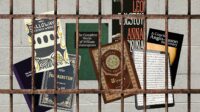


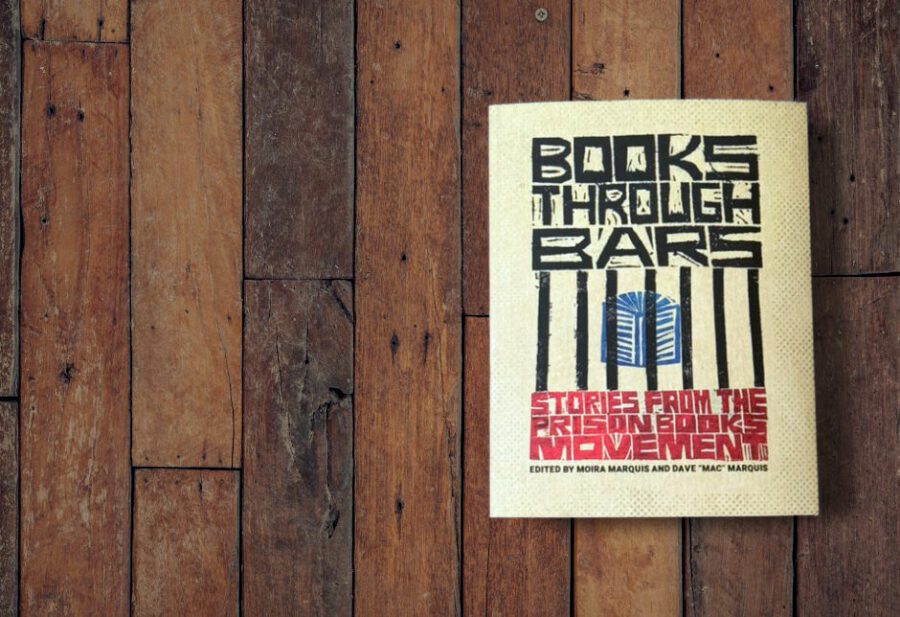
Compre el libro
¿Por qué las prisiones y cárceles censuran lo que la gente puede leer? ¿Qué tipo de libros se censuran? ¿Qué ha hecho la gente para intentar resistirse a estos límites a la lectura?
Descúbrelo Escrito por veteranos voluntarios de libros de prisiones, abogados y personas encarceladas y excarceladas, este libro explica la censura carcelaria y lo que los programas de libros de prisiones están haciendo al respecto.
Organizaciones asociadas

















- Black and Pink
- Library Services to the Justice Involved
- Prison Library Project
- Wisconsin Books to Prisoners
- UC Davis Books to Prisoners
- DC Books to Prisons
- Rikers Public Memory Project
- The Petey Greene Program
- Asheville Prison Books
- Malaprop’s Bookstore/Cafe
- Avid Bookshop
- Tubby & Coo’s Traveling Book Shop
- Louisiana Books 2 Prisoners
- Charis Books and More
- Estelita’s Library
- Flyleaf Books
- Da Book Joint
- Rogue Liberation Library
- Prison Creative Arts Project
- Elliott Bay Book Company
- Museum for Black Innovation and Entrepreneurship
- Head House Books
- Boneshaker Books
- Wooden Shoe Books and Records, Inc.
- Blacksburg Books
- Queen Anne Book Company
- Pilsen Community Books
- Outsider Comics
- Books to Prisons-Birmingham
CONTACTO