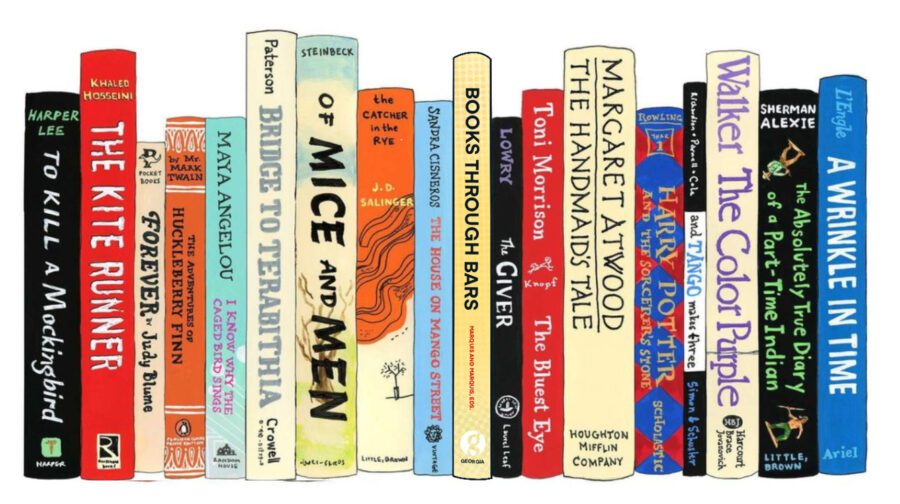
Prisons are the largest censors in the United States.
Prisons and jails ban more books than all public schools and libraries combined. Prison Banned Books Week is an annual campaign that shines a light on this widespread censorship and advocates for the rights of incarcerated and detained people to access literature and express themselves freely. In partnership with organizations that champion free expression, the campaign underscores a powerful message: censorship has no place in a democracy.
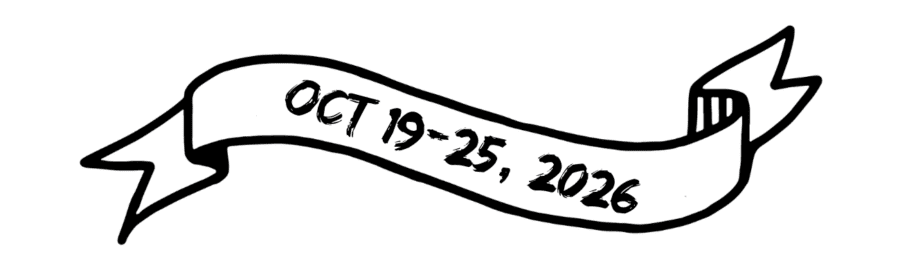
Raising awareness of this most pervasive practice of censorship in America, the fourth, annual Prison Banned Books Week brings together over sixty organizations working for free expression. Independent booksellers, libraries, prison book programs, civil and First Amendment rights organizations and legal advocacy organizations work tirelessly to ensure the free access to information and ideas necessary for a democratic society.
Follow us to learn more and get involved.
This year’s campaign focused on “appeals”
What are appeals?
Appeals are internal, prison paperwork that imprisoned people need to file in order to have any civil rights violations addressed. Appeals processes are different in all 52 carceral jurisdictions in America. Each appeals process can be up to six stages. At each stage people need to file complex paperwork on tight timelines and sometimes with fees.
These are read by correction officers and other prison staff.
Incarcerated people cannot legally file a lawsuit until they have exhausted all appeals. This can take months or years. Filing an appeal is challenging for many reasons. One of those reasons is that most appeals processes are not explained clearly and concisely. They’re buried in paperwork dozens of pages long and written in legalese.
Read what incarcerated journalists have experienced in the appeals process in Prison Journalism Project’s Prison Banned Books Week series.
This Prison Banned Books Week we’re making these processes transparent. We’ve put together a guide to filing an appeal in all 52 carceral jurisdictions. The Free Read Manual gives step by step instructions for how incarcerated people can challenge their treatment. It also contains the specific censorship criteria for each jurisdiction. People can only challenge censorship according to these criteria. Censorship is legal in prisons but prisons cannot legally deny people any and everything.
We’ve also created a form to submit needed corrections and changes to the Free Read Manual. Prison policies are constantly changing and we know the people who know the most are those closest to the problem. If you or a loved one knows of information in the Free Read Manual that needs updating simply submit this form and we will update the manual.
Events
- “Aggrieved: How Prisons Suppress Reading and Writing” a podcast discussion between formerly incarcerated author Stevie Wilson and Prison Banned Books Week founder, Moira Marquis, hosted by Project Mend and Syracuse University’s Lender Center for Social Justice. Recording coming soon!
- The ACLU , Haymarket Books and formerly incarcerated author, Stevie Wilson discussed what appeals are, why they are so damaging and what we need to do to push back against this restriction to judicial review that only imprisoned people experience. Watch the recording here!
- MuckRock’s Data Liberation Project, Prison Policy Initiative. and The Marshall Project joined us in this online FOIA training. Watch the recording and learn how to file an Open Records request at your local prison. Get your hands dirty and help gather all the data we need to challenge the suppression of expression in prisons!
- We published the Free Read Manual for people with loved ones in state facilities! Help your loved one file an appeal by understanding what the policies are and what they can write on paperwork.
Learn more about carceral censorship






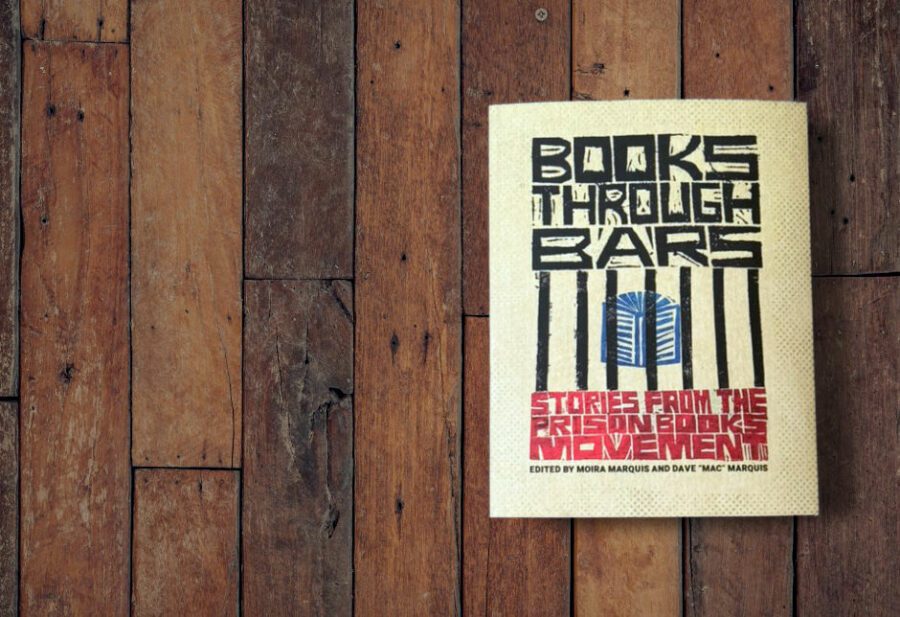
Get the Book
Why do prisons and jails censor what people can read? What kinds of books are censored? What have people been doing to try and resist these limits on reading?
Find out! Written by longtime prison book volunteers, lawyers, currently and formerly incarcerated people, this book explains carceral censorship and what prison books programs are doing about it.
Partner Organizations




















- Black and Pink
- Library Services to the Justice Involved
- Prison Library Project
- Wisconsin Books to Prisoners
- UC Davis Books to Prisoners
- DC Books to Prisons
- Rikers Public Memory Project
- The Petey Greene Program
- Asheville Prison Books
- Malaprop’s Bookstore/Cafe
- Avid Bookshop
- Tubby & Coo’s Traveling Book Shop
- Louisiana Books 2 Prisoners
- Charis Books and More
- Estelita’s Library
- Flyleaf Books
- Da Book Joint
- Rogue Liberation Library
- Prison Creative Arts Project
- Elliott Bay Book Company
- Museum for Black Innovation and Entrepreneurship
- Head House Books
- Boneshaker Books
- Wooden Shoe Books and Records, Inc.
- Blacksburg Books
- Queen Anne Book Company
- Pilsen Community Books
- Outsider Comics
- Books to Prisons-Birmingham
CONTACT